


_edited_ed.png)
Top tips for raising chickens in cold weather
Cannot keep your chickens warm in cold weather?
Here are some tips for raising chickens in winter that might come in handy. You can also print out our checklists here to help you get organized when preparing your coop for winter weather.
In Autumn, our chickens lay fewer eggs. Some chicken keepers buy an artificial light to supplement the natural light, so the egg production extends. But you cannot fool a chicken. When chickens are ready to molt, they sometimes stop the egg production even if the light is prominent and even throughout the day. When your chickens are molting, you can also provide proper nutrition, so we recommend some dried mealworms, sunflower, and pumpkin seeds that are a great source of protein and support your chickens during molting. In addition, molting is a natural process that lets the chicken have new warmer feathers for the winter. So additional warming of the coop or insulation is not needed in the winter, but if your insulation is already poor, it is best to fix that problem before the winter cold seeps in.
Easy and efficient ways of raising chickens in cold weather
Wherever you and your chickens live, both of you acclimate to the weather around you. So, chickens adapt to gradual changes in temperature from season to season. A chicken's complex thermoregulatory mechanisms allow it to survive and remain comfortable even in cold weather. Its average core temperature is 105 °F. Other mammals' temperature is approximately from 97 °F to 103 °F. As a result, our cold feels and seems colder than the cold the chickens perceive. With a higher internal temperature than humans, chickens possess physical features and engage in behaviors that create and retain body heat much more quickly than humans. Also, burning calories generates heat. Chickens eat a lot more in cold climates and need to conserve that heat. But if they do not eat more in the winter, that does not mean you must provide even more food, so they do not get cold. They eat less because they don't feel the cold and are full. It is more efficient and healthier for chickens to have a balanced and well-portioned diet. Overfeeding your chickens with fatty foods in the winter is not ideal because it can cause additional health problems later in their life.

Things chickens do to retain body heat in winter:
Their internal mechanism retains blood flow to their combs, wattles, and feet, the parts of the body that dissipate excess heat in the summer months.
They adjust their posture and position of standing to absorb more warmth from the sun and minimize heat loss.
In cold and windy winters, they hunch over, tuck in their heads under wings and feathers, squat to cover their feet and huddle with other flock mates.
Making goosebumps allows chickens to adjust the angle of their feathers for better enclosure of trapped air that then warms their bodies against their skin.

List to tick off when preparing your coop for winter weather:
Prevent cold drafts from entering your chicken coop by inspecting it for cracks and sealing them with wood or other materials. Light and air should not pass through. Efficient ventilation is also essential. While blocking unnecessary drafts, ensure some airflow remains to let moisture escape and bring in fresh air. If your coop is made of wood, inspect it each season since natural materials expand and contract. Adjust ventilation for winter by partially sealing summer air holes, keeping a balance between warmth and air circulation.
Add insulation where needed to retain heat. Visit your local hardware store for quality materials if your coop lacks proper insulation. Keep the coop clean and insulated using dense bedding like straw or the deep litter method, which traps body heat and lowers humidity. Monitor temperature and humidity with thermometers to maintain a stable environment.
Water management is vital in winter. Chickens need access to unfrozen water at all times. Use heated waterers or place insulated containers inside the coop. The ideal water temperature is between 50°F and 72°F. If heating options aren’t available, replace frozen water regularly to keep it fresh.
With proper sealing, insulation, and hydration, your flock will stay warm, dry, and healthy throughout the coldest months of the year.
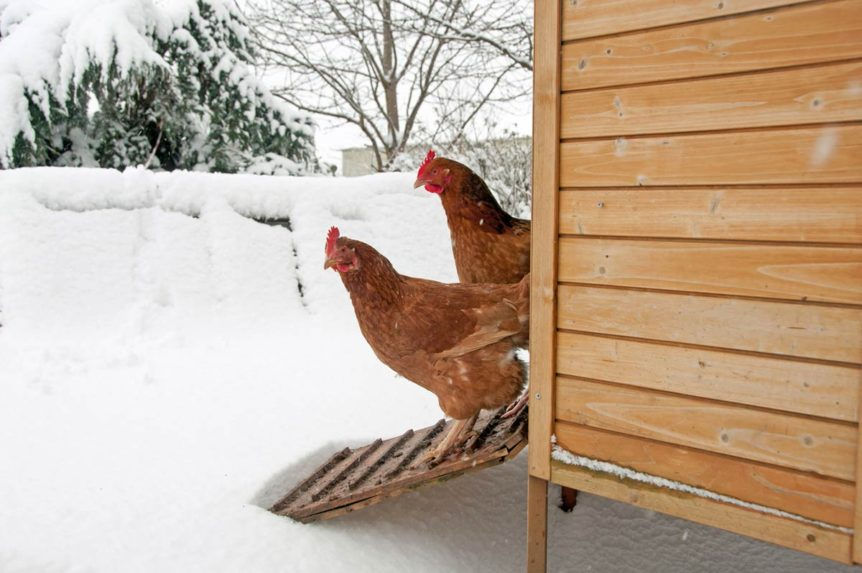
Heat the coop or not heat the coop?
Some circumstances need a heated coop from the inside. Still, most climates do not do so. You are better off not heating your coop with artificial heaters because you can prevent fires, premature chicken molting, growth of bacteria, and other nuisances.
Warn of winter Chicken Predators!
Predators are more prevalent in the winter months. Food in the winter is scarcer for all of us, and so is for predators. As predators become desperate for food, make sure your locks are predator-proofed and that you lock your flock into the coop each night. Run-Chicken automatic coop door will beautifully assist with these troubles. Automatic chicken coop doors are great helpers in locking up the flock at night and opening them in the morning.
For more information on how to secure your coop, read 5 "must-haves" to make your chicken coop predator-proofed.
Winter Chicken Care Checklist
Caring for your flock in winter takes planning and consistency. Follow this checklist to keep your chickens warm, safe, and healthy through the cold months.
1. Add Extra BeddingProvide plenty of clean, dry bedding in sleeping areas. Extra bedding helps chickens stay warm and comfortable while preventing moisture buildup.
2. Improve RoostingPlace roosts higher off the ground, where air is warmer. Chickens huddle and fluff their feathers to conserve heat, so ensure all birds roost together each night.
3. Create a Protected Outdoor AreaAllow access to a sunny, sheltered outdoor run for fresh air and exercise. Cover the run with clear plastic to trap warmth and protect from wind and snow. Add bedding to prevent cold feet.
4. Offer Warm, Nutritious FeedFeed high-carbohydrate meals and provide supplements if greens are scarce. Warm food and water support digestion and heat generation.
5. Keep Chickens ActivePrevent boredom and boost body heat with hanging treats, scattered hay, or hidden dried insects.
6. Provide Evening TreatsFeed cracked corn or scratch grains before bedtime to increase metabolism and maintain warmth overnight.
7. Use Natural SunlightInstall transparent windows to let in sunlight. Dark floors help retain heat, especially with the Deep Litter Method.
8. Prevent FrostbiteKeep the coop dry and apply petroleum jelly or coconut oil to combs and wattles. Treat any frostbite gently; blackened tissue will heal with care.
9. Collect Eggs OftenGather eggs frequently to prevent freezing and cracking. Discard any that smell off or show damage.
By following these steps, your flock will stay cozy, healthy, and productive all winter long.
Choose Cold-Hardy Breeds
If you’re expanding your flock or selecting new chickens, choose breeds suited for winter climates. Recommended breeds include: Wyandottes, Speckled Sussex, Rhode Island Red, Plymouth Rock, New Hampshire, Dominique, Delaware, Cochin, Buff Orpington, Brahma, Australorp, Ameraucana. Cold-hardy breeds typically have small combs and wattles and rugged bodies, making them less prone to frostbite. Avoid chickens with large combs or thin bodies, as they struggle in cold climates despite additional care.
We hope our tips will be put to much use during winter for you and your flock. A little bit of planning and good management of cold can lead to a happier and healthier flock during winter and less worry for chicken keepers.


Comments